
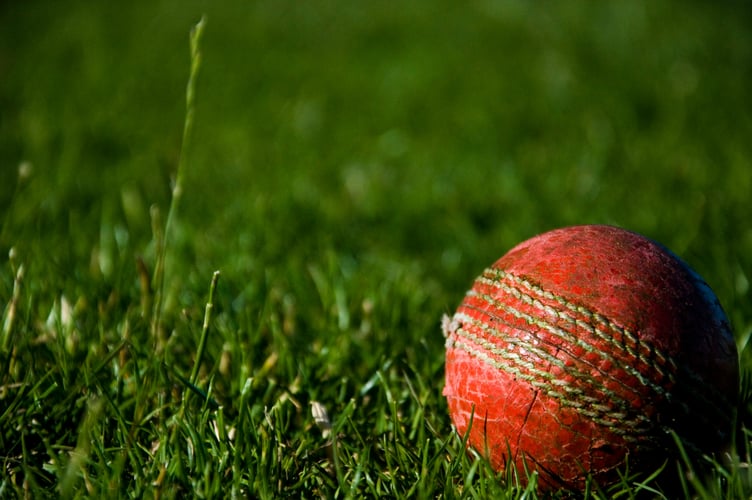
Sydney marks the end point of most Ashes series down under.
Three whitewashes by the hosts have been completed – in 1920-21, 2006-07 and 2013-14 – although England have avoided that this time after their four-wicket victory in the fourth Test at the Melbourne Cricket Ground.

.jpeg?width=209&height=140&crop=209:145,smart&quality=75)
While England were always underdogs, conceding the Ashes inside 11 days – the total length of the first three matches – has made it a third disastrous tour of Australia in succession.
Sydney has much to offer, whether the cricket goes well or not, built around its glorious harbour with the bridge and opera house as focal points. A cruise around it or quick ferry across to Manly refreshes even the lowest spirits. If you enjoy beaches there are so many from which to choose, although the most famous, Bondi, now has a tragic tell to tell.
The Sydney Cricket Ground, on the edge of Moore Park, is a quick taxi ride or energetic walk away from the city centre. Lacking the cavernous nature of Melbourne is a plus, a capacity of around 48,000 still far larger than any English ground while maintaining some semblance of history amid the modern developments thanks to the preservation of the main pavilion and Ladies’ Pavilion.
It became a paradise for spinners in the late 20th century, so that even fairly average twirlers could get the better of the otherwise all-conquering West Indies.
Such individual characteristics seem to have largely disappeared in the era of drop-in pitches given the SCG, like so many major sports grounds, also hosts Australian Rules Football in the southern winter.
For England, there might be an opportunity to salvage something from the tour akin to 2002-03, when they arrived 4-0 down. Mark Butcher’s century in the first innings was countered by tons from Steve Waugh – dramatically extending his career and passing 10,000 Test runs – and Adam Gilchrist which earned the hosts a one-run lead. Michael Vaughan’s 183, his third successive century of the series, formed the basis of England’s 452 for nine in the second innings, against an attack shorn of Glenn McGrath and Shane Warne by injury. Andy Caddick’s seven-wicket haul ensured England won by 225 runs and at least offered hope that they might compete again in the Ashes.
That was borne out in the next series, in 2005, when – with Vaughan having taken over as captain from Nasser Hussain – the Ashes were regained.
Achieving that in Australia is that much harder, as Ben Stokes and his men have just been finding out.
You need the best fast bowlers, as Douglas Jardine had with Harold Larwood and Bill Voce on the infamous 1932-33 Bodyline tour. They won twice at the SCG, as did Ray Illingworth’s side in 1970-71 to grab back the urn which had been lost in 1958-59.
Illingworth was armed with John Snow, whose seven for 40 polished off Australia for 116 in the first match there. The odds were against England doing it again when they returned a month later, prolific opener Geoffrey Boycott sidelined by a broken arm and then Snow breaking a finger as the hosts chased 223 to square the series. But a tenacious touring side refused to panic, whittling out their opponents for 160 and Illingworth was chaired off the field by his men, a dozen years to the day since the Ashes had been lost.
By Richard Spiller
Comments
We've recently changed our login process. If you have an account for commenting, you will need to re-register on the login window.
This article has no comments yet. Be the first to leave a comment.