
There seems to be no shortage of things to worry about: political and economic uncertainty, wars, extreme weather, flooding, disease outbreaks, soaring energy prices and threats to food supplies.
Some are pressures we live with; others can become full-blown emergencies. Most of us manage to carry on with everyday life, but as these events get closer to home, it becomes harder not to wonder how we, or someone we love, would cope if something serious happened.
Residents have contacted me about El Niño and preparing for extreme weather. Government advice – rather vague, in my opinion – suggests keeping emergency supplies at home, including tinned food. As a mum of two young children, I wonder whether the 12 tins of baked beans in my cupboard are enough.
How prepared are we when a major crisis actually strikes? Think back to Covid. Did we have plans for getting shopping to vulnerable neighbours, working from home, educating our children – or even cutting our own hair? Communities rallied brilliantly, but much of it was improvised. Many still feel the effects, particularly on young people’s education and wellbeing.
We British are famous for our stiff upper lip, but carrying on regardless shouldn’t mean burying our heads in the sand.
Finland offers an interesting approach. It encourages households to be prepared for 72 hours during an emergency. Its voluntary rescue network brings together trained local teams that work alongside the authorities. A House of Lords committee recently visited to learn from its approach.
That’s the balance I’d like to see here in East Hampshire: communities taking the lead, but with proper training, guidance and links to our emergency services. Not more bureaucracy, but not leaving residents to fend for themselves either.
If food deliveries were disrupted, could neighbours organise a communal food store? During a power cut, who might need checking on? Do we know which doctors, nurses and first-aiders living locally would be willing to help? What about builders, plumbers and engineers who know how to fix things? Who has a generator or a 4x4 if flooding strikes? Could the village hall offer somewhere cool during a heatwave?
There’s a wealth of practical ability on our doorsteps. The trouble is, we don’t always know who has what or how to pull together when it matters.
We wouldn’t be starting from scratch. The Hampshire and Isle of Wight Local Resilience Forum already helps communities develop emergency plans. I want to explore how councils and councillors can support neighbourhoods to identify willing volunteers, share skills, practise together and connect with those existing arrangements.




I’m raising this at both East Hampshire District Council and Hampshire County Council.
We might have little control over the next crisis, but we can do a great deal to prepare for it together.
And knowing your neighbours have your back might just help everyone sleep a little easier.
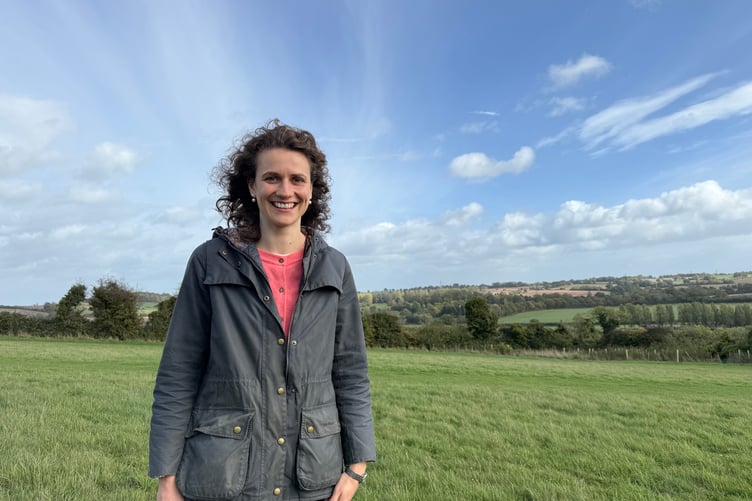
*Emily Young is East Hampshire district councillor for Alton Westbrooke and leader of the council’s Liberal Democrat group.
Comments
This article has no comments yet. Be the first to leave a comment.