
A Hampshire MP has launched a new bid to help protect local journalism by forcing AI and other automated software to identify themselves when collecting content from UK websites.
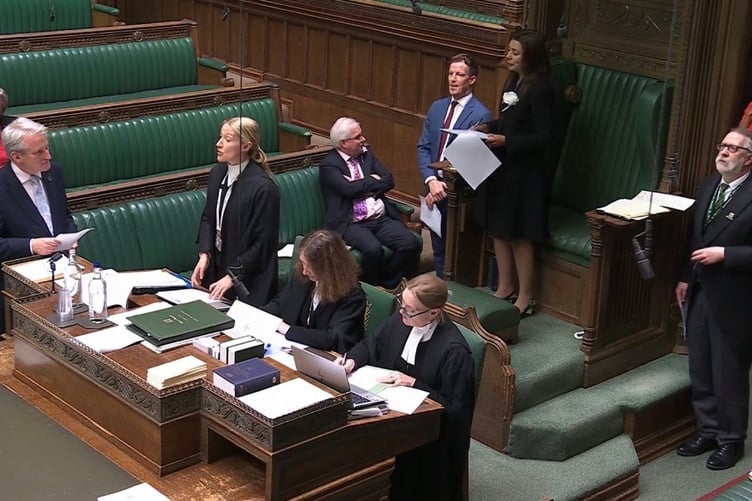
Damian Hinds has presented the Automated Online Software (Access and Transparency) Bill to Parliament, which would require operators of automated software, often known as "bots", to identify themselves and explain why they are collecting data.
The proposed law is aimed at increasing transparency around web scraping, the practice of automatically copying content from websites. While many search engines and AI companies already identify their bots, others do not, making it difficult for publishers to know who is accessing their content or how it is being used.
Mr Hinds, the Conservative MP for East Hampshire, said anonymous scraping bots posed a growing threat to local newspapers.
He said: "Anonymous scraping bots pose a particular challenge for local news publishers. Local journalism depends on readers visiting publishers' websites, where advertising and subscriptions fund reporters covering courts, councils and their communities.
"When an unidentified bot copies a local newspaper's reporting and that information is reproduced through an AI assistant or other service, readers may never visit the original source. The publisher receives no revenue, despite having invested in the journalism that made the information available in the first place.
"My Bill would not solve every challenge facing local journalism, but it would establish a basic principle of transparency. Publishers should be able to see who is accessing their work and decide for themselves whether to block that access, allow it or agree a fair price for their content."
According to Mr Hinds, automated bots now account for more than half of internet traffic, with many taking steps to avoid being identified.




The Private Member's Bill has cross-party backing from several MPs and is due to receive its second reading in Parliament on Thursday, October 16.
Comments
We've recently changed our login process. If you have an account for commenting, you will need to re-register on the login window.
This article has no comments yet. Be the first to leave a comment.