
Glow-worms have been released at a secret site in East Hampshire in a bid to restore one of Britain's most enchanting summer spectacles.
The rare insects have been introduced to a location near Alton in the South Downs National Park as part of a conservation project to help local populations recover after years of decline caused by habitat loss and light pollution.
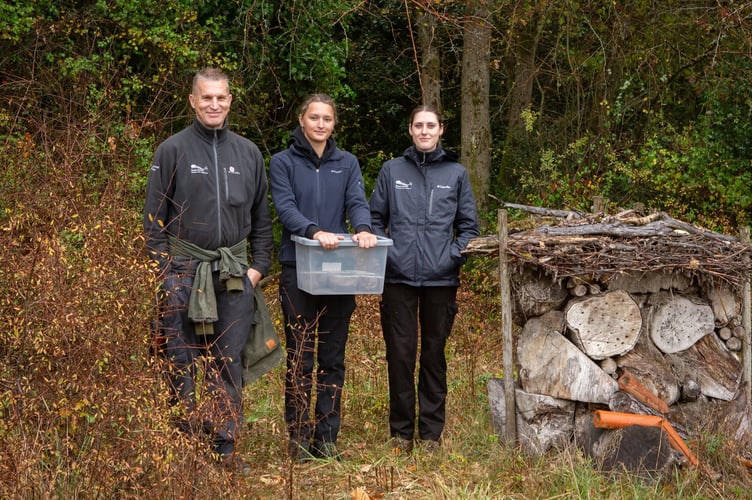
Community volunteers joined National Park rangers to release glow-worm larvae, which were brought from a site in Devon with the help of specialist consultants.
If the project is successful, visitors could begin seeing the distinctive green glow of adult females by next summer.



The common glow-worm, which is actually a species of beetle rather than a worm, is struggling across the UK. Artificial lighting, particularly bright white LED streetlights, can prevent males from finding glowing females, disrupting breeding.
The South Downs is considered one of the best places in the country for glow-worms because it has some of England's darkest skies. Earlier this year, the South Downs National Park Authority made protecting and expanding those dark skies a priority in its new five-year Partnership Management Plan.
Paul Bushell, National Park ranger for the Western Downs, said: "Glow-worms are struggling across the UK due to artificial lighting, along with habitat loss and connectivity, contributing to the decline of this magical species.
"The local community have worked hard to create a perfect habitat for glow-worms and it's been wonderful working with them on this re-introduction.
"Glow-worms would once have been more widespread across the south of England, but artificial lighting introduced over the past 100 years has disrupted breeding patterns.
"Being a dark night sky and on the edge of a large woodland with little light pollution makes this the perfect area for a reintroduction. We'll have a wait a while for the glowing to begin, but we're hoping it will be worth the wait!"
He added: "Glow-worms are part of the natural food cycle and help balance the local ecosystem.
"They are also a symbol of hope and renewal and the bioluminescent glow has been used in folklore and art for hundreds of years. It's the kind of species that can capture people's imaginations and hopefully help develop a deeper appreciation for nature."
Nature conservationist Derek Gow, from Keep It Wild, said: "We are very proud to have provided the glow worms for this restoration project in the South Downs National Park in a time of nature crisis when the wildlife of this planet is finishing fast. Projects like this are essential for nature's restoration."
National Park rangers and volunteers will now manage the habitat and monitor the site over the next year to see whether the reintroduction has been successful.
Glow-worm larvae spend around two years developing before reaching adulthood. The wingless females are famous for producing their distinctive green glow on summer evenings to attract males, while the larvae feed on slugs and snails.
The South Downs International Dark Sky Reserve, which is celebrating its 10th anniversary this year, is one of only a handful of protected dark sky areas in the UK.
The National Park Authority hopes to expand its darkest core areas by 10 percent by 2031.
Comments
We've recently changed our login process. If you have an account for commenting, you will need to re-register on the login window.
This article has no comments yet. Be the first to leave a comment.