
LEADING rural insurer NFU Mutual is warning people to take care on country roads as it is revealed that more than half of road fatalities occurred on rural roads in 2016.
As colder conditions and dark nights take hold, motorists are being urged to adapt their driving accordingly and to be aware of slow-moving farm vehicles and vulnerable road users such as horse riders, walkers and cyclists.
Worryingly, 51 per cent of fatalities occur on rural roads and the number of people killed is nearly 10 times higher than on motorways.
“Drivers sometimes fail to appreciate the hazards of rural roads,” said Tim Price, rural affairs specialist at NFU Mutual.

.jpg?width=209&height=140&crop=209:145,smart&quality=75)

.jpeg?width=209&height=140&crop=209:145,smart&quality=75)
“Modern vehicles tend to insulate drivers from harsh conditions outside, but sophisticated braking systems won’t prevent a skid on an untreated road after a frost. Many rural roads aren’t gritted after a frost or snowfall, so it’s vital to stay alert and adjust speed according to weather conditions.
“In the countryside, you never know if there will be a tractor, horse or a walker round the next corner and every year NFU Mutual deals with claims resulting from serious accidents involving farm vehicles being hit by fast-moving cars, lorries and motorcycles.”
Top tips for rural driving:
* Plan your journey before you set off and give thought to locations that might be badly affected, such as flood-prone areas, and monitor local weather forecasts;
* Stick to speed limits. Rural roads require different driving skills – sharp bends, unexpected hazards and changing conditions can all catch out the unwary;
* Keep your windscreen, windows and mirrors clean and free of ice and ensure you have a supply of winter-ready screenwash;
* Avoid driving through flood water;
* Be aware of mud and leaves on the road – both can be incredibly slippery in wet conditions and can cause vehicles to lose traction and skid;
* Anyone driving on a rural road should expect to share it with horses and their riders, so drivers should slow down and be prepared to stop if necessary. If you do need to pass a horse, then stay at least a car’s width away, pass slowly and don’t make any sudden noises or movements;
* Watch out for wildlife – it is quite common for wild animals to appear on country roads and a natural instinct might be to swerve to avoid them, but this is dangerous. A broken fog light or dented bumper is better than a serious accident due to losing control of your vehicle;
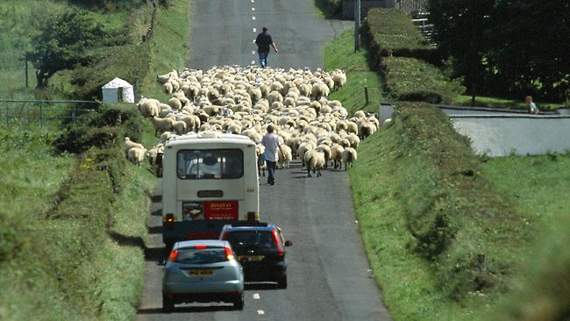
* Be prepared for livestock delays – farmers often need to use the roads to move livestock to and from their fields. If the road is blocked by livestock then the best thing to do is stop the car, turn off your engine and wait patiently;
* Be patient with farm vehicles – they rarely travel long distances, but be prepared for them to turn into fields and farmyards and other less obvious turnings of which you may not be aware;
* Read between the white lines – paint and markings are added to the road where there is a history of collisions and fatalities. The more paint there is on the road, the more potential danger there is. Be aware and take extra care.
Comments
This article has no comments yet. Be the first to leave a comment.