
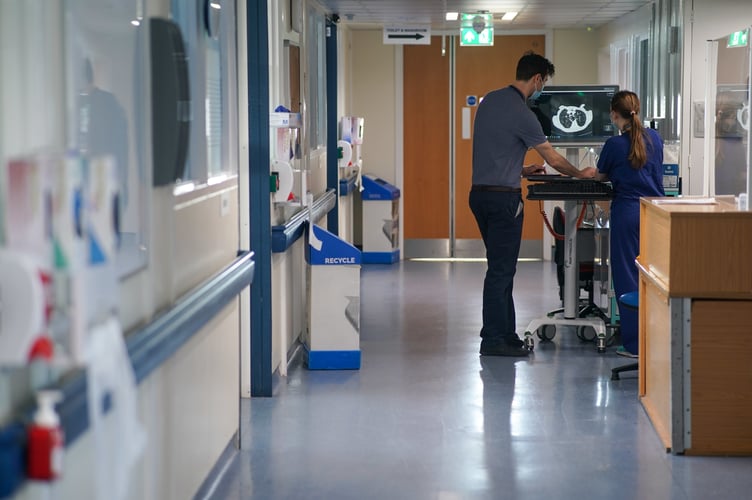
More than 1,000 patients were waiting for routine treatment at the Solent Trust in November, figures show.
A health think tank warned January strikes would further add to the pressure faced by the NHS during the winter period.
NHS England figures show 1,393 patients were waiting for non-urgent elective operations or treatment at Solent NHS Trust at the end of November – down from 1,484 in October, but an increase on 1,140 in November 2022.
Of those, one had been waiting for longer than a year.



The median waiting time from referral at an NHS Trust to treatment at the Solent Trust was nine weeks at the end of November – the same as in October.
Nationally, 7.6 million people were waiting to start treatment at the end of November – down from 7.7 million in October and the second consecutive fall.
Sarah Scobie, acting director of research at the Nuffield Trust, said: “The fact that NHS staff have been able to increase the number of patients they have been able to treat, coupled with a slowdown in people joining the waiting list, has helped move things in the right direction.
“It is also a positive sign to see a reduction in the number of patients who have been left waiting for 65 weeks or more. However, given where we are now, and the challenges of winter, it remains unlikely the NHS will meet the target it set itself to eliminate waits of this length by March this year.”
However, she warned the latest junior doctors’ strike taking place this month “will only add to winter pressure”.
Separate figures show 1.6 million patients in England were waiting for a key diagnostic test in November – the same as in October.
At the Solent Trust, 1,073 patients were waiting for one of two standard tests, such as Cardiology - Echocardiography, or Magnetic Resonance Imaging at this time.
Of them, 554 (52%) had been waiting for at least six weeks.
Professor Pat Price, co-founder of the #CatchUpWithCancer campaign, said: “Sadly, these figures are an ominous opening to what looks to be another deeply worrying year for both cancer patients and the frontline staff who are battling against the odds to care for them.”
He added: “These new figures reinforce a picture of years of abject failure and cancer treatment delays.”
The Prime Minister’s official spokesman said the decrease in November, a month with no strikes, was “an illustration of the progress NHS staff can make when they don’t have to contend with industrial action”.
“Undoubtedly the strikes are having a significant impact on patient care, it forces those staff – the majority of staff who are not striking – to have to cover for junior doctors and that has a knock-on effect on patients,” they added.
“We have seen that with the number of cancelled operations. It’s unacceptable, it’s not fair to patients, it’s not fair to other NHS workers – the majority of whom are paid less than the average junior doctor.”