
As the Ukraine-Russia war enters its fifth year, the widespread use of drones has become the defining feature of the conflict, transforming tactics and redefining modern warfare.
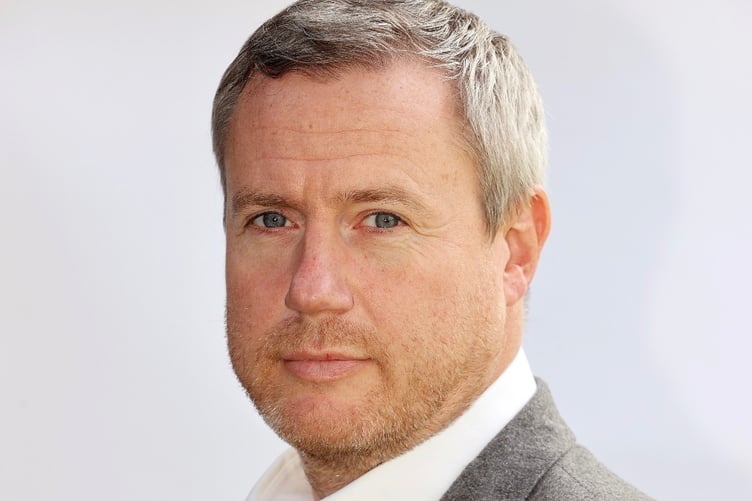
Now Farnham journalist Andrew Simms, formerly a reporter in Aldershot, has helped produce a book examining the rise of the technology.
Rise of the Machines: Drone Warfare in the Russia-Ukraine War: Tactics, Operations and Strategy is written by Illya Sekirin, who served as a volunteer drone pilot, frontline soldier and later adviser to the Ukrainian High Command on drones.
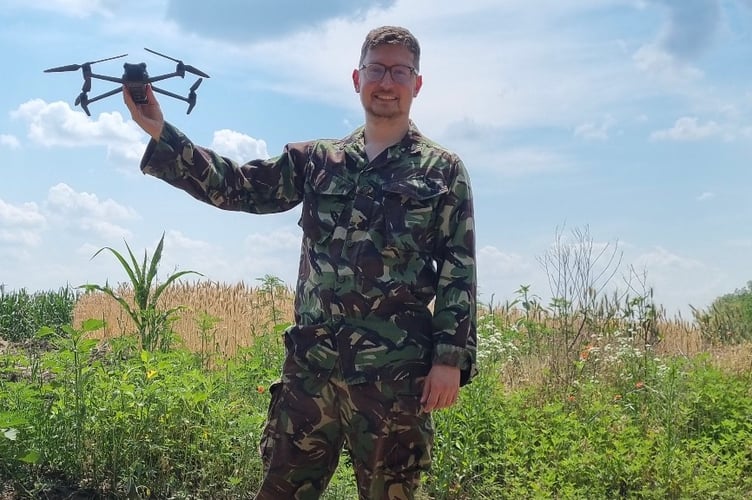



The book explores how commercially available drones have emerged as the most lethal and decisive weapons on today’s battlefield.
“Drones have quickly become king of the battlefield,” he said. “Particularly in the Ukraine-Russia conflict, they have changed how wars are fought.”
The author describes how inexpensive drones costing a few hundred dollars can destroy multi-million-pound military equipment, forcing armies to rethink long-held assumptions about tanks, artillery and air power.
“You now have front lines where it’s no longer safe to mass troops in trenches,” Simms said. “A drone wall has effectively been built between opposing forces, and anything that enters it — people, armour, vehicles or artillery — is at risk of being taken out.”
The publication coincides with four years since Russia’s full-scale invasion of Ukraine in February 2022, a conflict widely seen by military analysts as the first large-scale drone war.
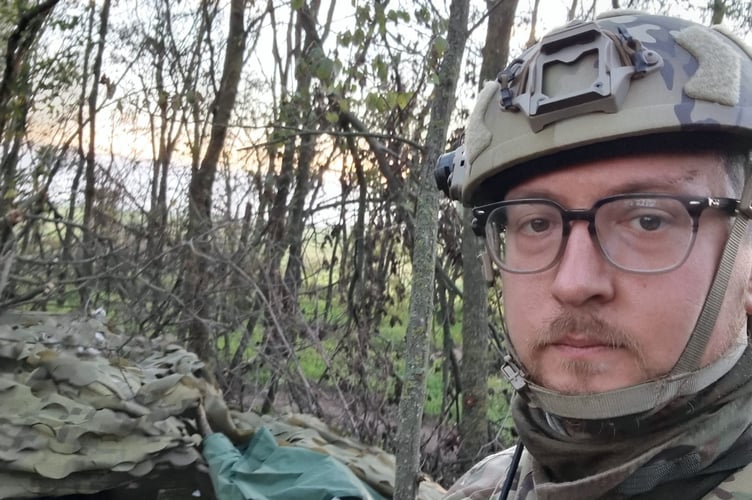
Sekirin, who holds a Canadian passport, was living in Kyiv running a successful IT company when Russia invaded but chose to remain and volunteer to defend his nation.
“A month into the invasion he put his business affairs in order and volunteered,” Simms said. “That’s a huge thing to do and not something you undertake lightly.”
Initially flying drones on the front line, Sekirin’s cybernetics background later led to him advising senior Ukrainian commanders on drone tactics as the country developed what Simms described as “effectively an autonomous branch” within its armed forces.
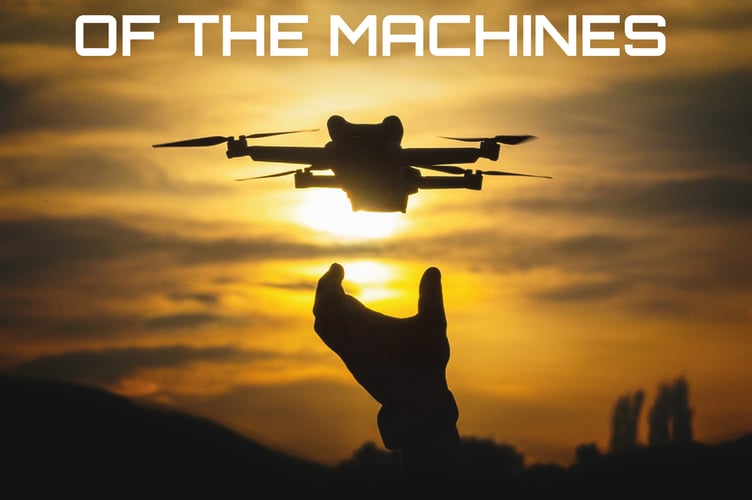
The book combines battlefield testimony with strategic analysis, arguing Western nations must adapt quickly to drone warfare or risk falling behind militarily.
“He’s urging the West to wake up and smell the coffee and make drone technology central to defence planning,” Simms said. “Otherwise we could be in for a hiding.”
Simms’ own career has long been linked to defence reporting. A former sports journalist covering army boxing in the Aldershot area, he joined Soldier magazine intending to spend two years as a defence correspondent.
“A year to the day after I joined, the planes hit the Twin Towers and the world turned on its head,” he said.
He went on to report from conflict zones including Afghanistan and Iraq, eventually becoming the magazine’s editor-in-chief. He spent 12 years with the publication before later working at a think tank at the Royal Military Academy Sandhurst and editing the British Army Review.
Sekirin first contacted Simms after submitting articles to the journal.
“All this material was brilliant and well received by British Army readers,” Simms said. “I suggested to him he should turn it into a book. It went from there.”
Simms provided editorial guidance to ensure Sekirin’s firsthand experiences translated clearly for an English-speaking audience.
“It was a labour of love,” he said. “His English was already very good — he just needed support so what he was saying wasn’t lost in translation.”
The book also explores competing views within military circles about whether drones represent a permanent revolution or simply the latest phase in evolving weapons technology.
Some analysts believe armies must rapidly invest in drone fleets and training, including preparing soldiers for the psychological impact of constant drone threats.
“You can imagine being in a trench and hearing a buzz, knowing that sound could deliver a lethal payload,” Simms said.
Others argue drones may eventually become just one system among many, rather than replacing traditional forces entirely.
The author argues Ukraine could have secured victory earlier in the war had his vision for a drone “blitz” been implemented in full, and now believes the conflict has reached a costly stalemate.
Sekirin, who now lives in Cyprus, has spoken in favour of a negotiated peace settlement to halt the mounting death toll.
For Simms, the project reinforced his long-standing fascination with both technology and the human side of conflict.
Simms believes the book appeals to a wide audience. Sekirin’s firsthand accounts of volunteering to serve on the front line are interwoven throughout, offering insights for military strategists and technically minded readers, as well as those drawn to traditional war stories.
“Throughout my career I’ve been intrigued by drones,” he said. “But what struck me most was the human factor — Illya didn’t have to go to war, yet he chose to serve. That gives you enormous respect for those who step forward.”
Rise of the Machines is available online through the publisher, Helion & Company, and on Amazon.
Comments
We've recently changed our login process. If you have an account for commenting, you will need to re-register on the login window.
This article has no comments yet. Be the first to leave a comment.