
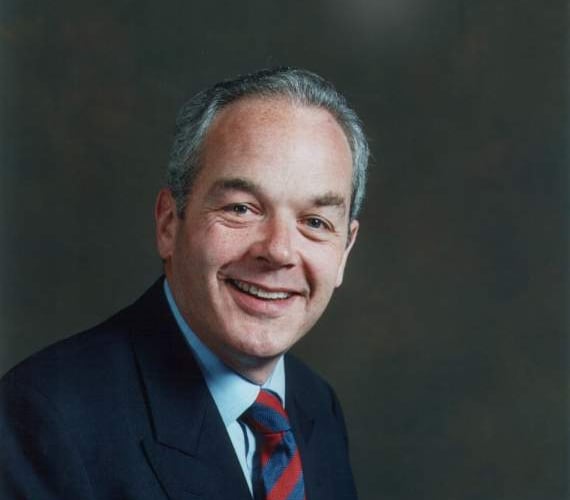
THE police and crime commissioner for Hampshire has welcomed plans to reform youth justice and custody in England and Wales through putting greater emphasis on the education of young offenders.
Simon Hayes believes the review demonstrates that Hampshire and the Isle of Wight has already been leading reforms in how young people interact with the police and justice systems.
The police and crime boss has been committed to reducing offending and reoffending since the start of his term in office in November 2012 and in that time has created and commissioned a range of projects to engage young people at risk of offending or re-offending. These projects can divert them away from crime and anti-social behaviour while providing new skills and purpose for youths across the two counties.
Mr Hayes said: “I welcome this review, in particular the emphasis it places on the education of young offenders. In recent years too many young people have been caught up in our criminal justice system, with no way out. In order to break the cycle of offending, justice should educate, rehabilitate and restore.

-ambulance.jpeg?width=209&height=140&crop=209:145,smart&quality=75)


“Many of the projects funded by my office have this at the heart of their activities, using educational and restorative approaches to get young offenders to re-engage with their communities and mainstream education, and equipping them with essential life skills.
“Through my commissioning programme, I have invested more than £1m in more than 40 youth diversionary and restorative justice projects, and I remain committed to continuing to reduce offending and reoffending in our communities.”
The use of restorative justice approaches has been shown to have a significant effect on reducing reoffending. The Government commissioned a seven-year research programme into restorative justice which found that 85 per cent of victims who took part were satisfied with the process and that restorative justice reduced the frequency of re-offending by between 14 and 27 per cent, leading to savings of £8 for every £1 spent on restorative justice interventions.
The recent visit to Hampshire by Lord McNally, who has also responded to the review, was an opportunity for the chairman of the Youth Justice Board to meet many of the participants in Hampshire’s youth justice and engagement projects. He and other board members also learned about initiatives including the youth commission, community courts and partnerships with sports and arts charities.
Among those meeting with Lord McNally were Louis Faith, Gabriella Day, Casey Taylor and Callum Nicolson from the youth commission, who explained the purpose of the commission and how it worked. They also talked through their recommendations going forward, as recruitment for the youth commission has just started. The commission engages with young people who have an interest in, and experience of, the police and justice systems. This provides the commissioner with unique experiences of the police and justice systems that he would otherwise not have access to.
During its first year in Hampshire, the community court has a less than five per cent re-offending rate – far less than traditional interventions (more than 35%) and those released from custody (73%). The court is a pioneering form of restorative justice in the UK where young offenders are held to account for their behaviour by members of their own age group who represent and respect the wishes of victims.
Following the recently announced partnership between Artswork and the Office of the Police and Crime Commissioner, sports charities such as UKSA, who provide sailing and water sports courses from the Isle of Wight, are also helping to divert young people away from anti-social behaviour and crime, and help rehabilitate those previously involved either as a perpetrator or victim.
Comments
This article has no comments yet. Be the first to leave a comment.