
THERE are a few things to keep in mind to keep on top of your child’s asthma this winter.
Cold air and damp weather, common over the winter months, can often trigger asthma symptoms to worsen.
The National Health Service has top tips to prevent it and advice on what to do if your child does become unwell:
•Wrap up warm: Cold air and damp conditions can cause airways to become inflamed and sensitive, which can trigger asthma symptoms. Wrapping up warm and keeping dry can help to prevent this. Remind little ones to grab their gloves, scarf and hat before heading outside – an umbrella will help them stay dry during wintery downpours.




•Have an Asthma Action Plan: Putting one together with a child’s GP or asthma nurse is one of the best ways to manage a child’s asthma and prevent attacks. They are personal to a child and helps anyone looking after little ones to feel confident about what to do if they experience worsening asthma symptoms. It also contains information about the day-to-day management of a child’s asthma.
By sharing the plan with family, friends, school and clubs you can feel confident everyone knows what action to take if the child becomes unwell.
•Make sure your child has regular asthma reviews: This is a good way to keep asthma under control. As children grow and develop, their asthma can also change. Regular reviews enable doctors and nurses to ensure the child is on optimum asthma therapy which in turn prevents the frequency of attacks, keeping the child safer.
•Spotting symptoms of an asthma attack as early as possible will allow you to take action and prevent them worsening. They include frequent, intermittent coughing; whistling or wheezing sound when exhaling and shortness of breath; chest congestion or tightness and chest pain, particularly in younger children.
Symptoms can be caused by illnesses other than asthma, including croup, viral infection and bronchiolitis. If your child does experience any of them the Healthier Together website contains lots of information and advice – go to www.what0-18.nhs.uk and search for ‘breathing difficulties.’
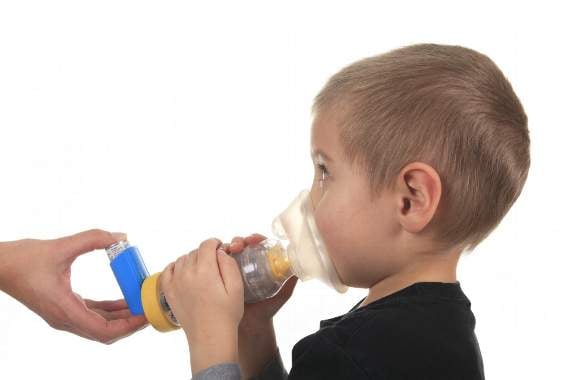
•Take your child’s inhalers everywhere: Ensure schools have the appropriate inhalers for your child and if medication is changed ensure they have the up-to-date medication. Also make a note of expiratory dates to make sure that they are replaced when the expiry date has passed.
Don’t forget clubs and sporting events too, these can sometimes be a trigger for asthma. Remember they do not have to be in an active club for asthma to be triggered, sometimes allergens, such as dust or certain foods, can trigger asthma to get worse.
Dr Tania Phillips said: “Generally, nowadays children’s asthma is very well controlled but we must not be complacent, asthma attacks can be serious when they happen.
“Ensuring that your child has their regular asthma review and a review if their symptoms get worse is really important.
“Sometimes their medication and inhalers need changing to make sure their asthma is well under control and so less likely to get an asthma attack.
“Your child also needs to be using the inhaler correctly. If you are not sure if they are using them correctly your local pharmacist can help.
“Please remember they need their inhalers (and spacers if necessary) with them whatever they are doing, that they need to know how to use them properly, and that the inhalers are within their expiry date.”
Comments
This article has no comments yet. Be the first to leave a comment.