
A prediction in a report this week on climate change which has seen the Royal Horticultural Society (RHS) claim that we will be replacing traditional spring and summer plants with ones from more exotic climes could still be a long way off judging from the burst of spring flowers that have filled our gardens in the last two months, surviving both the winter and severe April frosts.
One of our readers took the RHS advice to heart that “climate change in the UK will lead to warmer summers and that exotic plants from warmer climes are already flourishing in our gardens, plants that 20 years ago would have been killed off by frosts”.
He says he planted “an exciting new variety from the tropical Americas, suited to our scorching April climate”. And although he carefully protected it, when it came up it was “immediately blackened and then killed by the bitter frosts of last week”.
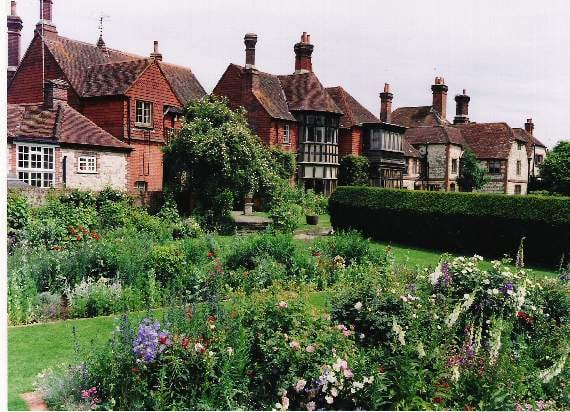
Climate change or not, the good old English standards, including tulips, primroses, narcissi, clematis, magnolia, rhododendron and azaleas, also the carpets of bluebells spreading through the woods, seem to be blooming as well as they did hundreds of years ago.




A classic example is the garden at Gilbert White’s House in Selborne, described as an 18th Century “middle-class garden” which was laid out by the great naturalist who also was the first to record the weather.
He recalls severe winters with snow and ice lasting for a long time, although he managed to build hot beds where he grew melons and records enjoying “melon feasts”.
The garden changed in style and plants during the Victorian era but working from the designs Gilbert White made of his garden layout it has been mainly restored to its original 18th Century beauty.
Annually, the museum stages an unusual plant sale – this year it is on June17-18 – offering plants that are not usually found in gardens, and they too seem unaffected by climate change.
Rotherfield Park at East Tisted was also in “full spring bloom” for its open garden day on April 3 when more than 400 visitors came to see the beautiful 12 acres of flowers, vegetables and woods filled with bluebells.
It is the home of Sir James and Lady Scott and for the past 12 years they have opened the gardens to raise funds for the National Gardens Scheme following a tradition set by Sir James’s parents in the 1960s.
This year, the open day raised more than £2,000, while the church teams from East Tisted and Empshott raised £500 each with their homemade cakes and teas.
The gardens are stunning but they have had several centuries to evolve into their beautiful state as the present house was built between 1815 and 1821, although a house has stood on the site since Tudor times and probably earlier.
Sir James said he was pleased the gardens had escaped the recent severe frosts, so he wasn’t so sure about the climate warming up. Asked if he was a keen gardener, he laughed: “The most I do is mow the track leading to the bluebell wood.”
This year, Liphook in Bloom is celebrating 20 years of creating a beautiful village with floral displays by strategic roadside sites which have won praise from residents and visitors, as well as national prizes.
A dedicated team have kept Liphook blooming through hard work and dedication and for a while they also ran Liphook in Bloom in competition with towns throughout the South East, and once they won gold.
It was Terry Burns, now president, and Paul Johnson, who had the idea of starting Liphook in Bloom as they felt the village looked a bit dreary and since then there have been two sets of planting– spring flowers and then summer ones.
Jane Jordon, a former team member whose husband Philip is the secretary, said they get funding from Liphook Parish Council and sponsorship from local businesses to pay for the bulbs and plants they use, and the committee hold working days to plan the various displays.
“A big team of volunteers, and we could do with some new, younger members, help with the planting and clearing. This year, the displays will highlight the 20th anniversary,” she said.
Jane added that so far she hadn’t heard of any changes in the weather causing them to plant more exotic varieties to cope with the warmer weather.
The wall that surrounds Petersfield’s Physic Garden, at 22 High Street, could be the reason the plants, trees and hedges thrive, as it provides protection all year round.
It was designed as a 17th century physic garden.
And Colin Mattingly, secretary of the Friends of Petersfield Physic Garden, which runs it, said: “That is what gardens in the 1700s were like and we still have the same variety of plants and herbs all thriving, even through the winter.”
The garden site was once owned by a Mayor Bowen, who bought it in the early 1940s as somewhere his children could play. Later, he gifted it to the Hampshire Garden Trust so they would always keep a “green space” in the town.
Now looked after by the Friends of the Petersfield Physic Garden, it remains an oasis of calm off a busy High Street.
Comments
This article has no comments yet. Be the first to leave a comment.