
“Canals were the motorways of the 19th century” — with this striking observation, author, lecturer, and photographer Roger Butler opened his fascinating and richly illustrated exploration of Britain’s canal history, writes Liz Beecheno.
Barges carried huge quantities of coal, wheat, iron, and many other goods along the 2,100 miles of canals in England. At their peak, barges transported more than nine million tons of goods around the country, with Birmingham as the epicentre of the canal system. The city once had more canals than Venice, and these waterways linked Birmingham with major towns and cities such as Leeds and Liverpool.
Canal workers, known as “bargees”, worked and lived on the barges all year round with their families in cramped conditions. Despite the hardships, many barges were beautifully maintained and decorated with colourful traditional “Roses and Castles” artwork to brighten their drab existence.
There was much money to be made from the canals, and the canal engineers believed they were building for the future. As a result, they constructed impressive bridges, tunnels, aqueducts, water basins, and even lock-keepers’ cottages. Bananas arriving in London were transported up the Grand Union Canal to warehouses in Birmingham, while companies such as Pickfords built warehouses beside the canals to take advantage of the trade routes.



People were fascinated by canal life and enjoyed watching the barges pass beneath the many different styles of bridges — an activity known as “gongoozling”. Artists such as Turner were captivated by the canals and sketched many canal scenes. Pubs also played an important role, serving as staging posts where horses could be stabled and provisions obtained.
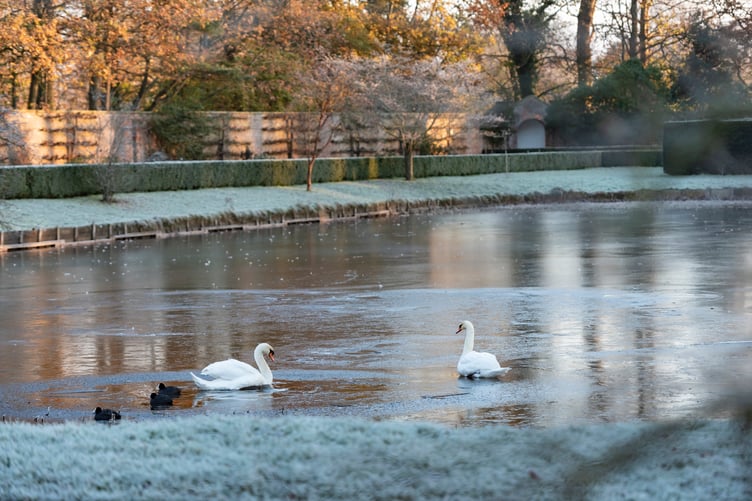
Initially, the barges were horse-drawn, but by the early 20th century many became steam-powered as railways began taking over much of the trade. After the Second World War, canal traffic declined steeply and suffered a final blow during the Big Freeze of 1963, when the canals froze solid and transport came to a halt.
Many canals were abandoned and fell into disrepair, with some being closed altogether. However, during the late 1970s a restoration revival began, transforming the waterways into a network used for leisure boating, tourism, and peaceful canal holidays.
The Art Society Grayshott’s next lecture will be at Grayshott Village Hall starting at 2pm will on Thursday, June 4 when Ronnie Ireland will “Take Four: Interiors by Van Eyck, Vuillard, Vermeer and Hopper. For more information please go to www.theartssocietygrayshott.org or phone Niamh on 07984379925
Comments
This article has no comments yet. Be the first to leave a comment.